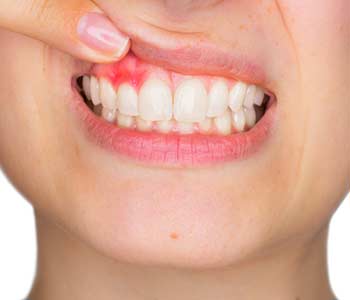
Is there pink on your pillowcase, or in the sink when you brush? Do you have an unusual taste, or persistent bad breath? You likely have gingivitis, the early stage of gum disease. These symptoms are easy to ignore, but the condition is a serious threat to your oral health and whole-body wellness. Dr. Baldwin Marchack and Dr. Christopher Marchack evaluate periodontal disease and provide effective integrated treatment to keep their patients in the Pasadena, CA area healthy.
What happens in your mouth . . .
Does not stay in your mouth! This warm, moist environment hosts many strains of bacteria. When certain types overpopulate they cause serious problems:
- A sticky film of plaque forms to protect bacteria and trap sugars and starches they feed on. Their acidic excretions irritate delicate gum tissue.
- When plaque is not removed with frequent brushing and flossing, it hardens into tartar, inflaming gums.
- Eventually gums become loosen from teeth. Bacteria flourish deep in these pockets, infecting ligaments and bone.
- Root surfaces are exposed, allowing decay at the gum line.
- Teeth become crooked, loose, fall out, or must be extracted.
- Bacteria that cause gum disease travel through the bloodstream, triggering systemic inflammation linked to diabetes, stroke, heart attack, and other grave conditions.
The good news
Gingivitis can be reversed and kept at bay with proper oral hygiene. Periodontal disease may be treated and managed on an on-going basis. Lost bone and teeth can be replaced. With a comprehensive care program, you can have a healthy, attractive smile.
The dentists at Pasadena Prosthodontics and General Dentistry are experts in tooth replacement. Plus, they have experience in all aspects of dentistry, and a network of trusted associates in specialized areas such as periodontics. They develop a treatment plan of nonsurgical and surgical techniques to restore gum health. A tooth-by-tooth analysis determines which can be saved and which are compromised by bone loss. The dentist evaluates how they may best be restored to reinstate back teeth support for a comfortable, balanced bite.
Frequently Asked Questions about Periodontal Disease
What is periodontal disease? How does it affect my overall health?
Periodontal disease is a chronic inflammatory condition that begins with gingivitis and can progress to more advanced stages if left untreated. In its early phase, gums become irritated and bleed easily. As the disease advances, infection can damage the ligaments and bone that support the teeth. Research has shown that chronic gum inflammation may also contribute to broader health concerns, including cardiovascular disease, diabetes complications, and stroke. Addressing gum disease early helps protect both oral health and overall wellness.
What are the common symptoms of periodontal disease that I should watch out for?
Early warning signs often include bleeding during brushing, persistent bad breath, gum tenderness, or an unusual taste in the mouth. As the condition progresses, gums may recede, teeth may appear longer, and spacing or looseness may develop. These symptoms are not a normal part of aging and should not be ignored. Prompt evaluation allows treatment to begin before irreversible damage occurs.
How is periodontal disease treated at Pasadena Prosthodontics?
Treatment is approached through a comprehensive and integrated plan designed by the dental team. Nonsurgical methods may be used to control bacterial buildup and inflammation, while surgical care may be recommended when deeper structures are affected. Each patient receives a customized plan based on the severity of disease, bone support, and long-term restorative goals. Ongoing monitoring is an important part of maintaining stability once active treatment is completed.
Can periodontal disease be reversed, and if so, how?
The earliest stage of gum disease, gingivitis, can often be reversed with improved oral hygiene and professional care. Once periodontal disease develops, it cannot be fully reversed, but it can be effectively managed. Treatment focuses on stopping progression, reducing infection, and preserving remaining bone and teeth. Consistent home care and regular dental visits are essential for long-term control.
What role does oral hygiene play in preventing periodontal disease?
Daily brushing and flossing remove plaque before it hardens into tartar, which irritates gums and fuels infection. Using proper techniques and reaching along the gumline is especially important. Routine professional cleanings help remove buildup that cannot be addressed at home. Together, these habits form the foundation of gum disease prevention.
Are there any long-term consequences if periodontal disease is left untreated?
Untreated periodontal disease can lead to progressive bone loss, shifting teeth, bite imbalance, and eventual tooth loss. As support structures weaken, remaining teeth may become unstable or require extraction. Chronic infection in the gums may also contribute to systemic inflammation, increasing the risk of other health conditions. Early treatment helps prevent these outcomes.
How can Pasadena Prosthodontics help with tooth replacement if I have lost teeth due to periodontal disease?
When teeth are lost, a detailed evaluation determines which remaining teeth can be preserved and how to restore support. Options may include dental implants or fixed restorations to rebuild function and balance. Careful planning ensures that replacements integrate seamlessly with the bite and surrounding structures. The goal is to restore comfort, stability, and long-term oral health.
Why does periodontal disease cause teeth to shift or loosen over time?
As infection damages bone and connective tissues, teeth lose the firm foundation that keeps them aligned. This can lead to spacing changes, crowding, or movement during chewing. Addressing gum disease early helps preserve structural support and bite stability.
How often should periodontal disease be monitored once treatment is complete?
Patients with a history of gum disease typically require more frequent maintenance visits than those with healthy gums. These visits allow early detection of changes and help keep bacteria under control. Ongoing monitoring is essential to prevent flare-ups and protect restorations.
Why is a prosthodontic approach important when treating periodontal disease?
Gum health and tooth support directly affect how the bite functions. A prosthodontic perspective ensures that treatment decisions account for long-term stability, tooth replacement planning, and balanced function. This approach helps protect remaining teeth while supporting future restorative needs.
Your gum health is in good hands with integrated treatment for periodontal disease. Call 855.770.3737 to schedule an appointment in Pasadena, CA.