As general dentists and prosthodontists, Dr. Christopher and Dr. Baldwin Marchack are uniquely qualified for oral rehabilitation. They are known for helping patients overcome damaged dentition, traumatic loss of teeth, and dental problems caused by disease or genetics. Dental crowns are an essential element in many of treatment plans for patients in the Pasadena, CA area.
How crowns are used?

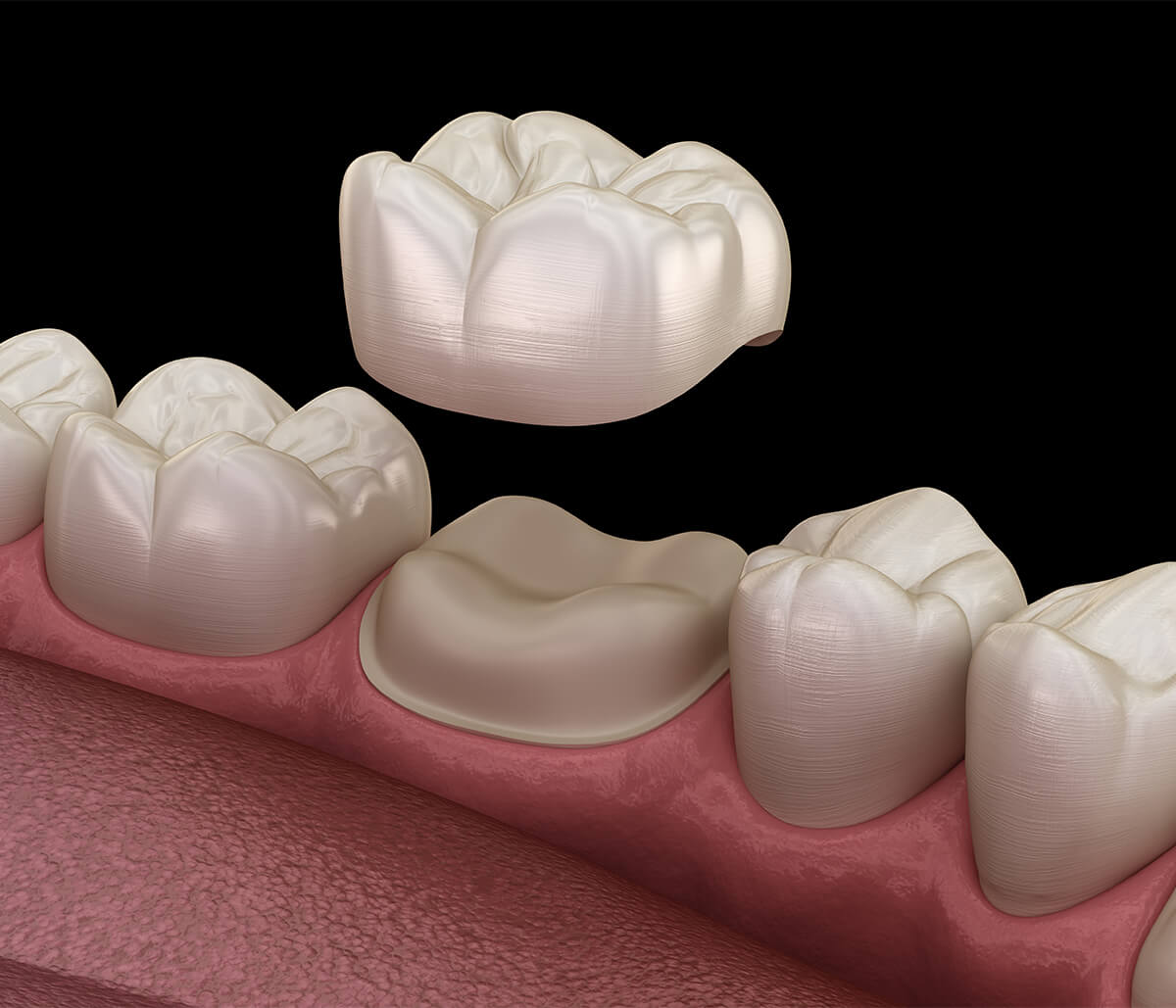
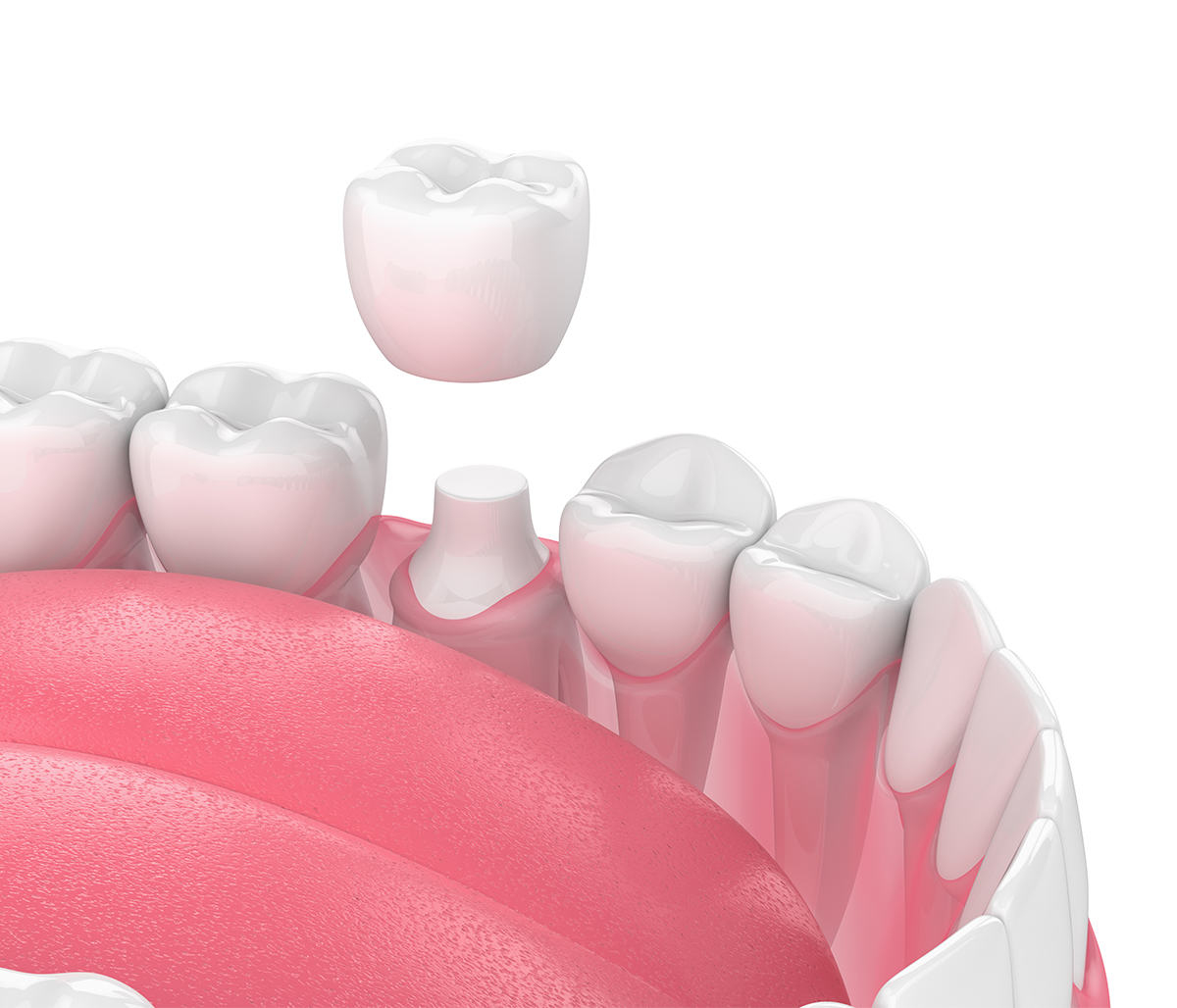
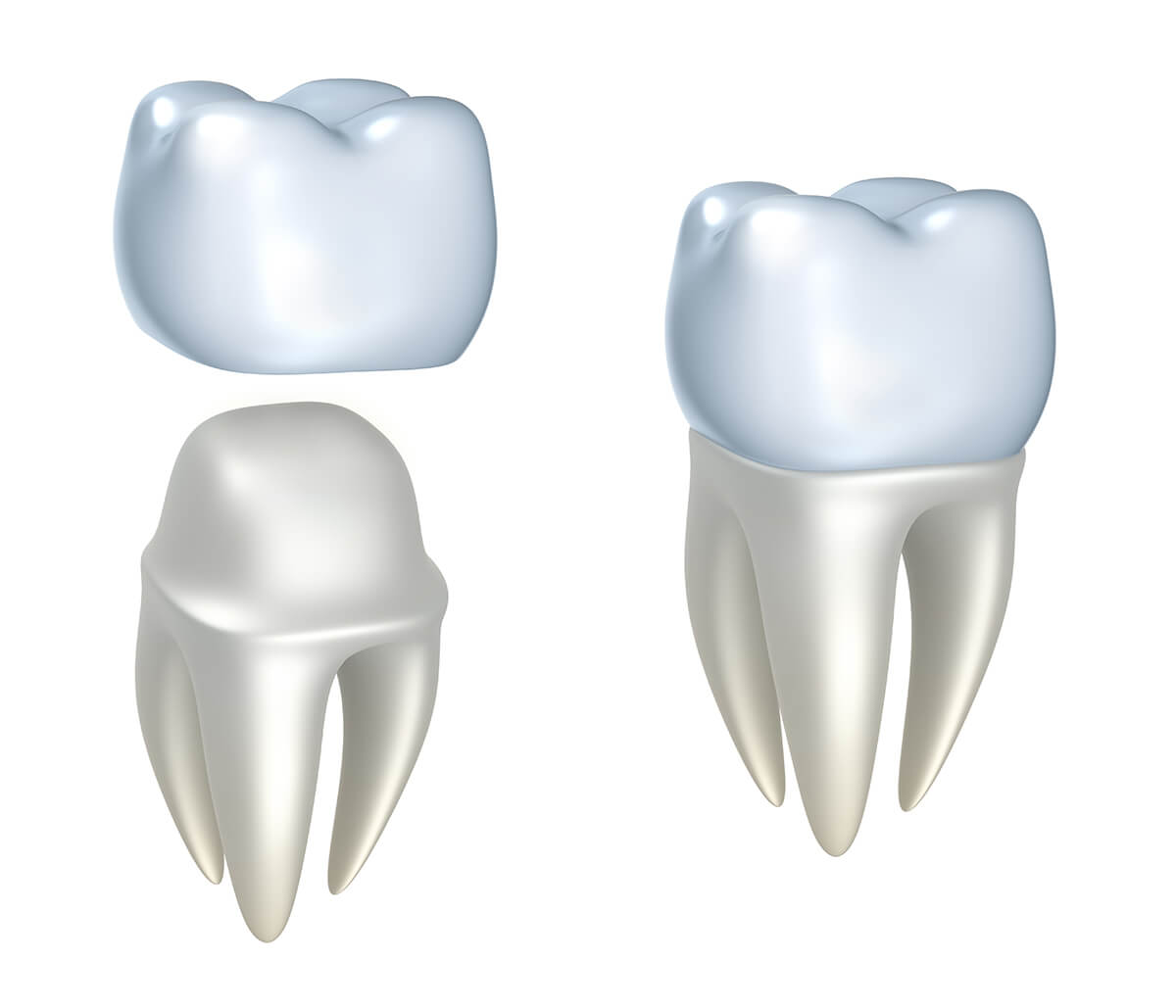
A dental crown caps a prepared tooth. While porcelain is popular for its natural appearance, there are many choices in crown materials. You can count on your dentist at Pasadena Prosthodontics and General Dentistry to guide you to the type of crown that best suits your needs, with consideration for aesthetics, function, and strength.
Dr. Marchack may recommend a crown:
- For cosmetic enhancement. The appearance of a tooth that has intrinsic discoloration, odd shape, unusual wear, or pitted, chipped, or cracked enamel can be improved with a crown.
- To repair a tooth with a large area of decay or trauma (such as a broken cusp).
- To hold pieces of a cracked tooth together.
- For strength and protection of a tooth that has had root canal treatment, which can cause brittleness.
- To anchor a dental bridge in place. Crowns on teeth on each side of the gap hold one or multiple artificial teeth.
- To finish a dental implant with a natural-looking, fully functional restoration.
The crown procedure
The crown procedure requires only local anesthetic, and treatment is generally completed in two appointments. At the first visit, the tooth is prepared. Areas of damage are removed, and the tooth is shaped to provide a stable foundation for the crown. The dentist takes impressions of the tooth and provides these molds along with exact measurements and shading instructions to the in-house ceramist at Pasadena Prosthodontics and General Dentistry. The tooth is protected with a temporary restoration while the final crown is being fabricated. You return for a second appointment where the transitional crown is painlessly removed, and the new one is cemented into place. With good oral hygiene, a crown can last many years.
Dental Crowns FAQs
What exactly is a dental crown, and why might I need one?
A dental crown is a custom-designed cap that covers a tooth, restoring its size, strength, and appearance. It is commonly recommended for teeth that are severely decayed, fractured, worn down, treated with a root canal, or need cosmetic improvement.
What happens during the crown placement process?
Most crown treatments involve two visits. The tooth is carefully reshaped at the first appointment, and impressions or digital scans are taken. A temporary crown is placed to protect the tooth. At the second visit, your permanent crown will be adjusted to fit your bite perfectly before being bonded into place.
How long do crowns last, and what affects their longevity?
With proper care, crowns usually last 10 to 15 years or longer. Their lifespan is dependent on the material chosen, the location of the tooth, and oral habits such as clenching or grinding. Excellent oral hygiene and routine check-ups help extend the life of your crown.
What materials are used to make crowns?
Crowns can be crafted from porcelain, ceramic, porcelain-fused-to-metal, zirconia, or all-metal alloys. Porcelain and ceramic are preferred for front teeth because they blend naturally with your smile, while zirconia and metal options are stronger and well-suited for back teeth that handle heavy chewing forces.
Will getting a crown be painful?
The procedure is performed under local anesthesia, so patients are comfortable throughout. Some mild sensitivity or tenderness is possible after treatment, especially in hot or cold temperatures, but this typically fades in a short while. Any ongoing discomfort should be promptly evaluated.
Can I get a crown in just one visit?
In some cases, yes. With advanced technology like CAD/CAM digital design and milling, same-day crowns may be available. This process allows patients to skip the temporary crown stage and leave with their permanent crown in a single visit. If not, the traditional two-visit approach remains highly effective.
What should I do if my crown feels sensitive or loose?
Mild sensitivity after placement is common and usually temporary. However, if your crown feels loose, unstable, or continues to cause discomfort after several weeks, it’s important to schedule a follow-up appointment. Early adjustments can prevent bigger problems down the road.
How do I care for my dental crown at home?
Crowns require the same care as natural teeth: brushing at least twice a day, flossing daily, and keeping up with routine dental cleanings. Avoid biting on hard objects such as ice or pens, which can damage the crown. A nightguard may be recommended if you grind your teeth.
What cosmetic benefits do crowns offer?
In addition to restoring function, crowns can dramatically improve the appearance of a tooth. They can correct discoloration, enhance shape, and create symmetry in your smile. High-quality porcelain and zirconia crowns are carefully color-matched to blend seamlessly with neighboring teeth.
How much do crowns cost, and will my insurance cover them?
The cost of a crown depends on the material used and the complexity of the case. Many dental insurance plans cover crowns when needed for the function or protection of a tooth. Cosmetic crowns, however, may not be fully covered. Our team will provide a detailed estimate and discuss financing options during your
Call 855.770.3737 in Pasadena, CA for an appointment to learn more about your options in dental crowns.